
Who are ASICS Company's core customers among performance athletes and Sportstyle shoppers?
ASICS targets performance-focused runners and biomechanical-conscious athletes, plus Sportstyle consumers seeking functional lifestyle footwear. This matters because ASICS reported segmentation gains in 2025, supporting a 12 percent projected rise in brand equity into 2026.
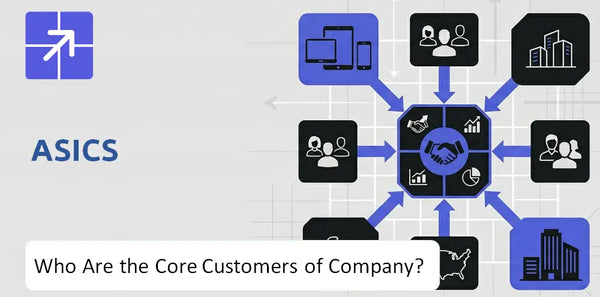
Core runners seek injury-prevention tech and data-led shoes; Sportstyle buyers chase comfort and design. Prioritize product lines like Asics BCG Matrix Analysis to map margin and volume trade-offs.
Who Is Asics Trying to Win?
ASICS tries to win performance-driven runners, Core Performance athletes in court and combat sports, younger Sportstyle shoppers, and health-conscious older adults who need orthopedic support.
 Performance Runners: primary revenue drivers
ASICS targets recreational 5K runners to elite marathoners because they buy high-margin performance shoes and apparel; this core group represented approximately 53 percent of net sales in fiscal 2025 and drives technical product R&D.
Secondary: Core Performance Sports
ASICS pursues tennis, volleyball, and wrestling participants where it holds strong shares in Japan and Europe, supporting durable wholesale and team-sales channels across the sports footwear market.
Customer Type and Market Role
ASICS serves a mixed base: direct-to-consumer shoppers (retail and ecommerce) plus wholesale to clubs, schools, and specialty retailers; running shoe buyers and athletic apparel consumers form the bulk of transactions.
Most Important Segment by revenue
The running segment is most important: with 53 percent of 2025 net sales and increasing market spend on stability and cushioning lines, ASICS focuses on customers who prefer stability shoes and injury-prevention footwear.
Competitive Landscape of Asics Company
Asics SWOT Analysis
- Complete SWOT Breakdown
- Fully Customizable
- Editable in Excel & Word
- Professional Formatting
- Investor-Ready Format

What Do Asics's Customers Care About Most?
ASICS core customers prioritize measurable performance, fit, and sustainability when buying running shoes and athletic apparel; purchase drivers differ between performance athletes paying premiums for tech and sportstyle buyers seeking authenticity and limited drops.

Performance metrics drive purchases
Serious runners focus on energy return, gait efficiency, and impact absorption for race and training gains; technologies like FlyteFoam Blast and GEL directly address these needs and reduce injury risk for high-mileage users.
Practical buying drivers: tech and price tiers
Customers choose ASICS for proven cushioning, stability, and fit; pro-grade models such as Nimbus and Kayano command premiums above 160 USD, while entry and mid-tier options target value-conscious running shoe buyers.
Emotional appeal: identity and authenticity
Sportstyle consumers buy for heritage, collaborations, and street credibility; limited-edition releases and fashion partnerships fuel aspirational purchases among younger, trend-focused athletic apparel consumers.
What customers value most
Across segments the highest-value outcomes are reliable performance (reduced injury, better times), long-term comfort, and environmental responsibility – factors that shape ASICS customer demographics and retention.
Loyalty and repeat demand
Repeat purchases are driven by product consistency, coach and shop recommendations, and technology upgrades; brand loyalty is especially strong among runners who repurchase stability shoes every 300 – 500 miles.
Why customers choose ASICS
ASICS wins with clinically backed cushioning systems, targeted stability platforms, and an emerging sustainability story – by 2026 nearly 95 percent of new running models use recycled polyester, aligning with younger, socially conscious buyers; see Mission, Vision, and Values of Asics Company.
Asics Business Model Canvas
- One-time Payment
- No Research Needed – Save Hours of Work
- Built by Experts, Trusted by Consultants
- Instant Download, Ready to Use
- 100% Editable, Fully Customizable

Where Is Demand Strongest for Asics?
Demand is strongest in Greater China and Southeast Asia, driven by a growing middle class and national fitness initiatives, with Europe remaining a stable revenue base and North America showing rising interest in trail and all-terrain running.
Main Market: Greater China and Southeast Asia
Greater China and Southeast Asia led ASICS target market growth in 2025 with a reported 19 percent year-over-year increase, driven by expanding middle-income cohorts and government fitness campaigns that boost running shoe buyers and athletic apparel consumers.
Secondary Markets: Europe and North America
Europe remains the largest stable revenue contributor – especially in tennis and performance running – while North America shows surging demand in trail and all-terrain segments as outdoor adventure influences ASICS core customers and running shoe buyers.
Where ASICS Is Strongest: DTC and E – commerce Urban Pull
Direct-to-consumer and e-commerce now represent 38 percent of global sales in 2025, with strongest digital demand concentrated in urban centers where ASICS uses Runkeeper data to align inventory, target ASICS customer demographics, and run community marketing events.
Where Demand Is Growing Fastest: Urban Digital Channels & Outdoor Segments
Demand is expanding fastest in urban e-commerce and DTC channels and in outdoor-focused segments – trail and all-terrain – reflecting shifts in ASICS target audience by age and gender toward younger, experience-driven runners and recreational joggers; see Growth Outlook of Asics Company for more context: Growth Outlook of Asics Company
Asics Marketing Mix
- Complete Marketing Mix Analysis
- Effortlessly Communicate Your Business Strategy
- Investor-Ready Format
- 100% Editable and Customizable
- Clear and Structured Layout

How Does Asics Keep Its Audience Growing?
ASICS grows its audience by combining a data-driven loyalty program, digital health integration, and product-category expansion into work-leisure and Sportstyle, widening reach beyond core runners while boosting retention and repeat purchases.
Expanding Reach into Adjacent Segments
ASICS adds customers by moving from pure performance running into Sportstyle and work-leisure footwear, targeting athletic apparel consumers and running shoe buyers who want comfort in daily wear. The brand leverages product innovation and targeted campaigns to attract younger adults and female runners while entering casual-athleisure channels in North America and Europe.
Customer Retention Drivers
Retention rests on personalized recommendations from OneASICS data, post-purchase digital health touchpoints (gait analysis, training plans), and a high-switching-cost ecosystem that ties wearables and apps to shoes. Consistent technical updates to stability and injury-prevention footwear keep serious runners and older runners 50 plus engaged.
Loyalty, Repeat Demand, and Customer Depth
The OneASICS loyalty program reached 15 million members in early 2026, producing a rich dataset that fuels targeted offers, cross-sell of athletic apparel, and subscription-style engagement. This drives repeat purchases from ASICS core customers – performance runners and fitness-focused consumers – raising customer lifetime value and ecosystem stickiness.
Strongest Growth Lever in 2025/2026
The biggest lever is defending ASICS technical moat in running – continuous R&D on cushioning and stability – while scaling Sportstyle and work-leisure to capture athletic apparel consumers and casual buyers. My 2025/2026 view is ASICS will sustain a superior position and target an operating margin of 14 percent, supported by high-loyalty customer segments and efficient digital-to-retail conversion.
Read more on company roots and strategy in this background piece: History and Background of Asics Company
Asics Boston Consulting Group Matrix
- Built by Experts, Trusted by Consultants
- Structured for Consultants, Students, and Founders
- 100% Editable in Microsoft Word & Excel
- Instant Digital Download – Use Immediately
- Compatible with Mac & PC – Fully Unlocked

Related Blogs
- What Is the History of Asics Company and How Did It Evolve?
- What Is the Competitive Landscape of Asics Company and How Does It Compete?
- What Is the Growth Outlook of Asics Company and Where Is It Heading?
- How Does Asics Company Work and What Drives Its Business Model?
- How Does Asics Company Reach Customers and Turn Demand into Sales?
- What Do the Mission, Vision, and Core Values of Asics Company Reveal?
- Who Owns Asics Company Today and Who Holds Control?
Frequently Asked Questions
Asics's core customers are performance-driven runners, with Core Performance athletes, younger Sportstyle shoppers, and health-conscious older adults also important. The blog says runners are the main revenue drivers, while other segments support wholesale, team sales, and direct-to-consumer growth.
Disclaimer
All information, articles, and product details provided on this website are for general informational and educational purposes only. We do not claim any ownership over, nor do we intend to infringe upon, any trademarks, copyrights, logos, brand names, or other intellectual property mentioned or depicted on this site. Such intellectual property remains the property of its respective owners, and any references here are made solely for identification or informational purposes, without implying any affiliation, endorsement, or partnership.
We make no representations or warranties, express or implied, regarding the accuracy, completeness, or suitability of any content or products presented. Nothing on this website should be construed as legal, tax, investment, financial, medical, or other professional advice. In addition, no part of this site - including articles or product references - constitutes a solicitation, recommendation, endorsement, advertisement, or offer to buy or sell any securities, franchises, or other financial instruments, particularly in jurisdictions where such activity would be unlawful.
All content is of a general nature and may not address the specific circumstances of any individual or entity. It is not a substitute for professional advice or services. Any actions you take based on the information provided here are strictly at your own risk. You accept full responsibility for any decisions or outcomes arising from your use of this website and agree to release us from any liability in connection with your use of, or reliance upon, the content or products found herein.