
How does Sony Pictures Entertainment Inc. generate profits and sustain margins as a content-focused studio?
Sony Pictures Entertainment Inc. sells and licenses movies and TV to distributors, platforms, and exhibitors instead of running a global streaming service, keeping capital intensity lower. In 2025 Sony posted strong licensing revenue and film library monetization, signaling steady cash flow and margin resilience.
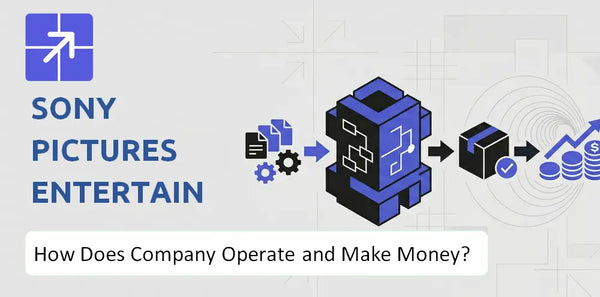
Sony Pictures leverages franchise IP, third-party distribution deals, and library sales to reduce fixed costs and preserve EBITDA; prioritize licensing cadence to maintain liquidity and minimize subscriber acquisition losses. See Sony Pictures Entertainment Inc. BCG Matrix Analysis
What Does Sony Pictures Entertainment Inc. Actually Sell?
Sony Pictures Entertainment sells premium storytelling and intellectual property across film, TV, games, and anime – customers pay for rights, distribution, and audience reach tied to recognizable franchises and niche communities.
 Core Products and Platforms
Sony Pictures Entertainment offers theatrical and streaming films, scripted and unscripted TV, long – form anime via Crunchyroll, and format/licensing for game shows and franchises. Revenue comes from box office, streaming/licensing fees, TV syndication, home entertainment, and merchandising – film production spend in 2025 totaled approximately $2.1 billion across studio and international slates.
Who Buys It
Buyers include global cinema chains, streaming platforms (SVOD/AVOD), linear broadcasters, advertisers, and brand partners; Crunchyroll subscribers and anime licensors form a distinct consumer and B2B segment. Institutional buyers also purchase licensing for airlines, hotels, and in – flight/in – room entertainment.
Customer Value Proposition
Customers get high-engagement IP that reduces audience acquisition costs and boosts retention – spidered franchises and shows deliver predictable box office and subscriber lift; Crunchyroll adds scale with the world's largest anime library and >10 million paying subscribers in 2025. Licensing yields recurring cash flows and merchandising uplifts tied to top titles.
Differentiators and Purchase Drivers
Sony Pictures Entertainment stands out by owning global tentpole franchises (Spider-Man, Jumanji, Ghostbusters), legacy game-show formats (Jeopardy!, Wheel of Fortune), and niche leadership in anime via Crunchyroll – this mix supports diversified revenue streams and international distribution deals. For details on corporate evolution and strategy see History and Background of Sony Pictures Entertainment Inc. Company.
Sony Pictures Entertainment Inc. SWOT Analysis
- Complete SWOT Breakdown
- Fully Customizable
- Editable in Excel & Word
- Professional Formatting
- Investor-Ready Format

How Does Sony Pictures Entertainment Inc. Run Its Business Day to Day?
Sony Pictures Entertainment runs daily as a production and licensing engine: it develops and greenlights projects across labels, oversees production logistics, and executes multi-window distribution while managing rights and partner deals. Workflows tie creative development, budgeting, marketing, and distribution systems into a cadence of releases, licensing, and platform partnerships that generate recurring revenue.

Operating model: centralized studios, label-driven greenlight
Sony Pictures Entertainment runs label-specific slates (Columbia Pictures, TriStar, Sony Pictures Classics) with a centralized finance, legal, and distribution core. Day-to-day decisions balance creative development pipelines against projected returns using in-house production teams and external producers.
Product and service delivery: theatrical to digital windows
Consumers access films via a theatrical exclusive window, followed by digital transactional rentals/sales, premium VOD, and then subscription/licensing windows. TV shows are delivered to networks and streamers under production-for-hire deals rather than reserved for an internal SVOD.
Production, sourcing, and development: managed slates and third-party partnerships
Creative teams, line producers, and external vendors execute shoots; financing mixes studio capital, co-financing, tax incentives, and pre-sales. Daily ops track shooting schedules, postproduction milestones, and cost-to-complete metrics to control P&L for each title.
Sales channels and distribution: multi-window, global rights management
Primary channels are theatrical exhibitors, transactional digital platforms, cable and broadcast partners, and global SVOD licensors. Sony Pictures negotiates territories and windows to maximize lifetime revenue per title and manages catalog licensing for long-tail income.
Key assets, systems, and partnerships: IP, studios, and Crunchyroll
Sony Pictures leverages film IP, production facilities, distribution networks, and partnerships with global exhibitors and streamers. The anime arm supports Crunchyroll with over 15,000,000 paying subscribers and global simultaneous releases, adding a subscription revenue stream and strong fan engagement systems.
What makes the model work: slate diversification and windowing economics
Efficiency comes from diversified slates, co-financing to lower risk, and multi-window monetization that extracts value across theatrical, digital, TV, and licensing. Daily focus on marketing ROI, territorial rights management, and ancillary merchandising drives repeatable, predictable cash flow.
For fuller financial context and 2025 figures on revenue mix and profitability drivers see Growth Outlook of Sony Pictures Entertainment Inc. Company
Sony Pictures Entertainment Inc. Business Model Canvas
- One-time Payment
- No Research Needed – Save Hours of Work
- Built by Experts, Trusted by Consultants
- Instant Download, Ready to Use
- 100% Editable, Fully Customizable

How Does Revenue Flow Through Sony Pictures Entertainment Inc.?
Revenue at Sony Pictures Entertainment flows from content creation to distribution: theatrical releases, TV production licensing, and Media Networks subscriptions/ads convert audience demand into cash. Box office, Pay 1 licensing, syndication, and Crunchyroll subscriptions form the core of cash generation.
Motion Pictures: The Primary Revenue Driver
Motion Pictures generate the largest spikes in revenue via theatrical box office and Pay 1 window licenses; in fiscal 2025 theatrical receipts and Pay 1 deals (including agreements with major streamers) delivered the biggest single-period cash inflows, reflecting Sony Pictures Entertainment's film distribution strategy and studio production operations.
Television Productions and Syndication
Television Productions provide steady upfront licensing fees and long-tail syndication revenue for evergreen series; initial licensing and later syndication sales reduce risk per title and support Sony Pictures television production revenue model and how Sony Pictures makes money over decades.
Media Networks: Subscriptions and Advertising
Media Networks – now dominated by Crunchyroll – deliver recurring subscription revenue and high-margin advertising; subscriptions smooth cash flow and lower customer acquisition cost relative to pure-streaming peers, underpinning Sony Pictures business model and streaming partnerships and strategies.
What Most Strongly Drives Revenue
Revenue is driven most by hit theatrical franchises and strong Pay 1 licensing deals, followed by durable TV syndication and steady Crunchyroll subscriptions/ads; licensing and distribution terms determine cash conversion and studio-level profitability – see Target Customers and Market of Sony Pictures Entertainment Inc. Company for audience detail.
Sony Pictures Entertainment Inc. Marketing Mix
- Complete Marketing Mix Analysis
- Effortlessly Communicate Your Business Strategy
- Investor-Ready Format
- 100% Editable and Customizable
- Clear and Structured Layout

What Makes Sony Pictures Entertainment Inc.'s Model Sustainable or Fragile?
Sony Pictures Entertainment's model is sustainable due to flexible distribution and strong IP, yet fragile because it depends on third-party buyers and a few blockbuster franchises. Structural strengths: diversified revenue streams and low fixed-capex; key risks: distributor consolidation and franchise concentration.
Flexible Distribution & Market Access
Sony Pictures business model profits from selling rights across theatrical, TV, and streaming windows rather than relying on a proprietary platform, letting it negotiate to the highest bidder and capture licensing premiums in a competitive film distribution strategy.
High-Value IP and Franchise Leverage
Ownership stakes in franchises, notably Spider-Man through the Marvel partnership, drive merchandising, box office, and downstream licensing, producing recurring high-margin revenue streams that stabilize studio production operations and cash flow.
Dependence on Third-Party Buyers
Sony Pictures relies on major streamers and global distributors for licensing revenue; if streaming platforms consolidate or cut content spend, Sony Pictures loses primary buyers and faces pressure on revenue streams Sony Pictures depends on, especially for mid-budget films.
Concentration of Franchise Risk
The Spider-Man partnership concentrates earnings: a delayed or underperforming film could dent Sony Pictures theatrical release strategy and studio profitability metrics. Dependency on a few tentpoles increases volatility in annual results.
Financial Position and Cash Flow
For fiscal 2025 Sony Pictures Entertainment reported strong operating cash flow driven by film and TV licensing; free cash flow margins remained healthy relative to peers because the studio carries lower capital intensity than integrated streamers, reducing capital risk.
Durability Assessment for 2025/2026
In 2025/2026 the model looks resilient but exposed: nimble rights monetization and high-margin niches like Crunchyroll anime offset box-office swings, yet consolidation among buyers and franchise concentration pose tangible threats to long-term stability. Read more on Ownership and Control of Sony Pictures Entertainment Inc. Company Ownership and Control of Sony Pictures Entertainment Inc. Company
Sony Pictures Entertainment Inc. Boston Consulting Group Matrix
- Built by Experts, Trusted by Consultants
- Structured for Consultants, Students, and Founders
- 100% Editable in Microsoft Word & Excel
- Instant Digital Download – Use Immediately
- Compatible with Mac & PC – Fully Unlocked

Related Blogs
- What Is the History of Sony Pictures Entertainment Inc. Company and How Did It Evolve?
- What Is the Competitive Landscape of Sony Pictures Entertainment Inc. Company and How Does It Compete?
- What Is the Growth Outlook of Sony Pictures Entertainment Inc. Company and Where Is It Heading?
- How Does Sony Pictures Entertainment Inc. Company Reach Customers and Turn Demand into Sales?
- What Do the Mission, Vision, and Core Values of Sony Pictures Entertainment Inc. Company Reveal?
- Who Are the Core Customers in Sony Pictures Entertainment Inc. Company's Target Market?
- Who Owns Sony Pictures Entertainment Inc. Company Today and Who Holds Control?
Frequently Asked Questions
Sony Pictures Entertainment Inc. sells premium storytelling and intellectual property across film, TV, games, and anime. Customers pay for rights, distribution, and audience reach tied to recognizable franchises and niche communities, with revenue coming from box office, licensing, streaming, home entertainment, and merchandising.
Disclaimer
All information, articles, and product details provided on this website are for general informational and educational purposes only. We do not claim any ownership over, nor do we intend to infringe upon, any trademarks, copyrights, logos, brand names, or other intellectual property mentioned or depicted on this site. Such intellectual property remains the property of its respective owners, and any references here are made solely for identification or informational purposes, without implying any affiliation, endorsement, or partnership.
We make no representations or warranties, express or implied, regarding the accuracy, completeness, or suitability of any content or products presented. Nothing on this website should be construed as legal, tax, investment, financial, medical, or other professional advice. In addition, no part of this site - including articles or product references - constitutes a solicitation, recommendation, endorsement, advertisement, or offer to buy or sell any securities, franchises, or other financial instruments, particularly in jurisdictions where such activity would be unlawful.
All content is of a general nature and may not address the specific circumstances of any individual or entity. It is not a substitute for professional advice or services. Any actions you take based on the information provided here are strictly at your own risk. You accept full responsibility for any decisions or outcomes arising from your use of this website and agree to release us from any liability in connection with your use of, or reliance upon, the content or products found herein.