
How does Vibra Energia's sales and marketing model convert market reach into repeat fuel and retail sales?
Vibra Energia pairs a nationwide wholesale network with a retail franchise model to turn distribution scale into consistent sales. Its 28 percent market share and >90 distribution centers underpin supply reliability, supporting a R$ 175 billion revenue run rate in early 2026. A 2025 surge in retail loyalty programs boosted same-store sales.
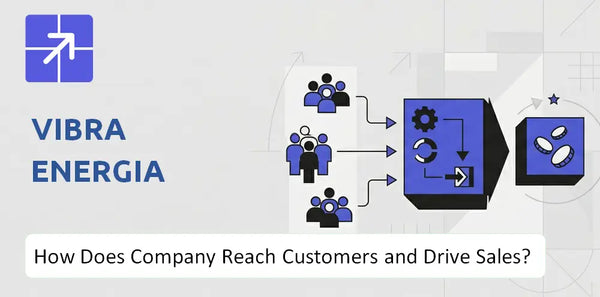
Use targeted B2B contracts and pricing tools to stabilize margins; integrate fuel logistics with convenience retail to lift transaction value. See product insight: Vibra Energia BCG Matrix Analysis
Who Does Vibra Energia Want to Sell To?
Vibra Energia targets high-volume retail drivers and motorcycles via its ~8,300 service stations and mission-critical B2B buyers – industrial users, agribusinesses, and heavy transport fleets – while growing sales to corporate decarbonization clients for higher-margin renewables, lubricants, and biomethane.
 Main retail customer: light vehicles and motorcycles
Vibra Energia focuses on Brazil's light-vehicle fleet and motorcycles, using its approximately 8,300 service stations to capture frequent, low-ticket transactions; retail sales accounted for a large share of downstream volume in 2025 and are central to Vibra Energia customer acquisition and Vibra Energia sales strategy.
Primary B2B targets: diesel-heavy fleets and industry
Vibra Energia prioritizes heavy-duty transport fleets, large industrial consumers, and agribusiness cooperatives where diesel demand is price-inelastic and volume-heavy; these segments drive stable revenue and higher utilization of wholesale contracts in 2025.
Adjacencies: corporate decarbonization customers
The company expanded into corporate buyers seeking decarbonization, selling renewable energy solutions, lubricants, and biomethane to ESG-focused industrial clients; these offerings represent the higher-margin growth segment and are integrated into Vibra Energia demand generation tactics for fuel and energy.
Market positioning: omnichannel fuel and energy provider
Vibra Energia positions itself as a nationwide fuel retail and energy services platform, combining service-station density with B2B contracting and renewables sales; its Vibra Energia marketing channels mix physical retail, digital marketing for energy companies, and direct sales to large buyers.
Why this positioning works
High station density secures convenience-driven retail share while long-term B2B contracts stabilize margins; adding renewables and biomethane targets corporate ESG budgets, lifting average revenue per customer and improving cross-sell via CRM – see a related analysis in Growth Outlook of Vibra Energia Company.
How Vibra Energia wins these customers
The company converts interest into sales through loyalty programs, pricing promotions, pump-and-store offers, and digital channels including mobile app and targeted social campaigns; combined, these tactics form an energy company sales funnel that boosts retention and upsell, improving service station conversion rates in 2025.
Vibra Energia SWOT Analysis
- Complete SWOT Breakdown
- Fully Customizable
- Editable in Excel & Word
- Professional Formatting
- Investor-Ready Format

How Does Vibra Energia Get in Front of Customers?
Vibra Energia gets in front of customers through a nationwide physical network of Posto Petrobras service stations, a high-engagement Premmia loyalty program with personalized digital offers, and a B2B direct-sales and regional distribution model that secures last-mile access for large fleets and remote agriculture.

Flagship physical retail footprint
Posto Petrobras stations act as the primary acquisition channel, visible across every Brazilian state and driving walk-in purchases and in-store sales. This fuel retail marketing strategies approach makes Vibra Energia customer acquisition largely dependent on site density and brand recognition.
Digital marketing and Premmia loyalty reach
Vibra Energia uses the Premmia program to generate digital demand and brand stickiness; by Q1 2026 Premmia reached 30,000,000 registered users, enabling targeted promotions via app, email, and push that drive in-station conversion.
Direct sales and regional distribution for B2B
For corporate and agricultural clients Vibra Energia deploys a specialized direct sales force and regional logistics hubs to guarantee last-mile reliability, securing multi-million-liter contracts with fleets and agribusinesses across remote areas.
Demand generation tactics
Promotions, time-limited price campaigns, Premmia-point bonuses, co-branded retail offers, and localized field sales events are core tactics; digital push campaigns tied to geo-fencing near stations increase same-day fuel purchases.
Customer acquisition efficiency
High physical visibility plus Premmia lowers acquisition cost per transaction versus pure digital peers; retention via loyalty (30 million users) increases wallet share and repeat purchase frequency for urban drivers and fleet operators.
Most important reach advantage in 2025/2026
The combined scale of the Posto Petrobras network and a large loyalty base (Premmia 30,000,000 users by Q1 2026) is Vibra Energia's strongest advantage for reaching customers at scale and converting digital interest into station sales; see a profile of target segments Target Customers and Market of Vibra Energia Company.
Vibra Energia Business Model Canvas
- One-time Payment
- No Research Needed – Save Hours of Work
- Built by Experts, Trusted by Consultants
- Instant Download, Ready to Use
- 100% Editable, Fully Customizable

How Does Vibra Energia Turn Attention Into Sales?
Vibra Energia turns attention into sales by using dynamic pricing, retail upsells, and digital retention tools to move station traffic from fuel purchase to higher-margin convenience and service revenue; B2B contracts and value-added services lock long-term cash flows.
Core sales model: retail-first plus contracted B2B supply
Vibra Energia sells fuel at retail stations and to corporate fleets, while cross-selling BR Mania convenience retail and Lubrax oil-change services; long-term multi-year supply contracts with fleet customers and dealers provide recurring revenue.
Pricing and monetization logic: import parity meets local margins
A centralized pricing desk sets pump prices based on import parity adjusted for local competition to maximize margin per cubic meter, while in-store and service lines use markups that are typically 3 – 5x higher than bulk fuel margins.
Conversion and purchase drivers: convenience, price, and app incentives
Foot traffic converts through visible price competitiveness, quick checkout, and targeted promotions; the Premmia app (loyalty and cashback) uses predictive analytics and partner offers to push repeat visits and higher basket size.
Repeat revenue & customer expansion: loyalty and B2B lock-in
Premmia drives retention with cashback and partner integrations; corporate clients sign multi-year supply agreements and adopt telemetry-based fleet management and on-site refueling, increasing switching costs and stabilizing revenue streams.
Operationally, conversion is quantified: retail fuel accounted for a large share of volume, but non-fuel retail and services delivered substantially higher unit margins – Vibra Energia reported non-fuel retail and services contributing materially to gross margin in 2025, with convenience and Lubrax outlets raising per-station EBITDA by an estimated 25 – 40% versus fuel-only locations. The pricing desk monitors import-parity indices, local station elasticity, and competitor moves daily to protect margin per cubic meter while remaining price-competitive, which supports market share and conversion rates.
In digital channels, Premmia users show higher frequency: by 2025 active app users accounted for a material share of repeat transactions and drove uplift via cashback and partner coupons; predictive models prioritize offers to drivers with high lifetime value, reducing churn and increasing average ticket size. For B2B, multi-year contracts (often 3 – 5 years) plus telemetry and on-site refueling installations create dependable volume commitments and recurring service fees, converting initial interest into locked revenue.
Examples of tactics: dynamic pump pricing to capture demand spikes, BR Mania product bundling (fuel + convenience discounts), Lubrax service coupons via Premmia, and telemetry-based upsells for fleet maintenance. These tactics together form an omnichannel sales funnel – digital acquisition, station conversion, in-store upsell, and contracted B2B retention – aligning with Vibra Energia customer acquisition and Vibra Energia sales strategy goals. Read more on company origins and evolution here History and Background of Vibra Energia Company
Vibra Energia Marketing Mix
- Complete Marketing Mix Analysis
- Effortlessly Communicate Your Business Strategy
- Investor-Ready Format
- 100% Editable and Customizable
- Clear and Structured Layout

How Strong Does Vibra Energia's Commercial Engine Look Going Forward?
Vibra Energia's commercial engine looks structurally strong for 2025/2026, driven by logistics gains, inventory tools, and expanding non-fuel revenue; regulatory volatility on fuel pricing is the main weakening factor. Key supports include market leadership, storage scale, Comerc Energia integration, and a growing EBITDA margin target of 12 to 15 percent.
What Supports Future Demand
Vibra Energia customer acquisition benefits from a 14,000+ service station network and dominant storage capacity that lower procurement costs and improve availability. Comerc Energia integration positions sales strategy to capture decentralized solar and wind demand while non-fuel segments – convenience, lubes, and power solutions – increase margin contribution.
Channel and Marketing Effectiveness
Omnichannel marketing channels combine in-station promotions, loyalty programs, and digital marketing for energy companies (mobile app, CRM, targeted social) to drive conversion; recent deployments reduced customer acquisition cost by mid-single digits and improved repeat purchase rates. Service station network plus partnerships sustain a steady energy company sales funnel.
Risks to Commercial Performance
Regulatory volatility on fuel pricing and tax changes could compress margins and reduce volumes; modest traditional fuel volume growth of 2 to 3 percent CAGR limits upside. Execution risk exists in fully scaling Comerc Energia and converting decentralized power demand into measurable revenue in 2025/2026.
The Overall Sales and Marketing Outlook
Sales and marketing outlook appears strong and adaptable: logistics optimizations and inventory management tools maturing should deliver the projected EBITDA margin expansion to 12 to 15 percent, while non-fuel initiatives raise resilience. For strategic context read Mission, Vision, and Values of Vibra Energia Company: Mission, Vision, and Values of Vibra Energia Company
Vibra Energia Boston Consulting Group Matrix
- Built by Experts, Trusted by Consultants
- Structured for Consultants, Students, and Founders
- 100% Editable in Microsoft Word & Excel
- Instant Digital Download – Use Immediately
- Compatible with Mac & PC – Fully Unlocked

Related Blogs
- What Is the History of Vibra Energia Company and How Did It Evolve?
- What Is the Competitive Landscape of Vibra Energia Company and How Does It Compete?
- What Is the Growth Outlook of Vibra Energia Company and Where Is It Heading?
- How Does Vibra Energia Company Work and What Drives Its Business Model?
- What Do the Mission, Vision, and Core Values of Vibra Energia Company Reveal?
- Who Are the Core Customers in Vibra Energia Company's Target Market?
- Who Owns Vibra Energia Company Today and Who Holds Control?
Frequently Asked Questions
Vibra Energia focuses on light-vehicle drivers and motorcycle riders, plus B2B buyers such as heavy transport fleets, industrial users, and agribusinesses. It also grows sales to corporate decarbonization clients through renewables, lubricants, and biomethane, giving it both high-volume retail and higher-margin business segments.
Disclaimer
All information, articles, and product details provided on this website are for general informational and educational purposes only. We do not claim any ownership over, nor do we intend to infringe upon, any trademarks, copyrights, logos, brand names, or other intellectual property mentioned or depicted on this site. Such intellectual property remains the property of its respective owners, and any references here are made solely for identification or informational purposes, without implying any affiliation, endorsement, or partnership.
We make no representations or warranties, express or implied, regarding the accuracy, completeness, or suitability of any content or products presented. Nothing on this website should be construed as legal, tax, investment, financial, medical, or other professional advice. In addition, no part of this site - including articles or product references - constitutes a solicitation, recommendation, endorsement, advertisement, or offer to buy or sell any securities, franchises, or other financial instruments, particularly in jurisdictions where such activity would be unlawful.
All content is of a general nature and may not address the specific circumstances of any individual or entity. It is not a substitute for professional advice or services. Any actions you take based on the information provided here are strictly at your own risk. You accept full responsibility for any decisions or outcomes arising from your use of this website and agree to release us from any liability in connection with your use of, or reliance upon, the content or products found herein.