
How does Vor Biopharma re-engineer a patient's blood system to enable safer, more aggressive cancer therapies?
Vor Biopharma engineers gene-edited hematopoietic stem cells to protect healthy blood cells from toxic oncology regimens, aiming to expand use of potent therapies. This matters as 2025 data show rising interest in protective cell platforms after several high-profile transplant toxicity events.
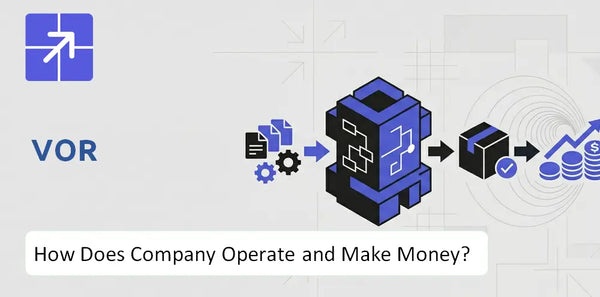
Vor's model monetizes a protective platform via allogeneic products and partner co-development; focus on durable grafts could cut hospitalization and enable pricier combination regimens. See product analysis: Vor BCG Matrix Analysis
What Does Vor Actually Sell?
Vor Biopharma sells engineered hematopoietic stem cells (eHSCs) – donor marrow cells gene-edited to lack specific surface targets (eg, CD33) – plus the platform services around manufacturing and clinical deployment. Customers pay for a biological shield that enables delivery of potent anti-cancer therapies while preserving healthy hematopoiesis.
 Core Product: Engineered Hematopoietic Stem Cells
Vor Biopharma's core offering is trem-cel, donor eHSCs gene-edited to remove targets like CD33 to repopulate a patient's marrow. The platform also includes GMP manufacturing, patient matching workflows, and regulatory/clinical support for transplant and adjunct therapy use.
Who Buys It: Providers and Payers
Primary buyers are oncology centers, transplant units, and institutional payers that fund advanced cell therapies for acute myeloid leukemia (AML) and other myeloid malignancies. Biotech partners and hospitals purchase platform services and supply-chain access for trials and commercial programs.
Customer Value: Biological Shielding and Therapy Enablement
Customers get continuous, targeted clearance of residual leukemia while retaining hematopoiesis, enabling repeat dosing of agents like Mylotarg or CD33-directed CAR-Ts. Clinical value translates to potential higher remission rates and lower long-term supportive care costs; Vor reported clinical cohorts showing marrow engraftment and target-negative hematopoiesis in 2025 studies.
Differentiator: Platform-Level, Target-Agnostic Protection
Vor's edge is a platform that can edit different surface antigens, making it adaptable across targets and partner therapies. This allows collaborations with cell-therapy and antibody developers, and supports a Vor business model that combines one-time transplant revenues with recurring service and partnership income; see more in this analysis Sales and Marketing Strategy of Vor Company.
Vor SWOT Analysis
- Complete SWOT Breakdown
- Fully Customizable
- Editable in Excel & Word
- Professional Formatting
- Investor-Ready Format

How Does Vor Run Its Business Day to Day?
Vor Biopharma runs day-to-day around clinical execution and specialized manufacturing logistics: enrolling patients, sourcing donor cells from transplant centers, editing cells with CRISPR, and returning products for infusion while sustaining process development and CMC to enable scale and regulatory readiness.

Operating model: clinical – first, manufacturing – enabled
Vor company centers operations on investigator sites and internal labs. Clinical teams coordinate patient enrollment and cell flow; manufacturing and CMC teams run parallel process optimization, quality control, and regulatory documentation to keep trials on schedule.
Product delivery: personalized allogeneic cell therapy logistics
Patients access VBP101 through participating transplant centers; centers collect donor grafts, ship to Vor facilities or CDMOs, and receive edited, CD33 – shielded hematopoietic stem cells for infusion under clinical protocol.
Production and sourcing: gene – editing plus supply partnerships
Daily work focuses on CRISPR editing runs, sterility and potency assays, and scaling runs. Vor sources donor cells via transplant centers and secures reagents and adjunct drugs – such as through a supply agreement with Pfizer for Mylotarg – to enable combination regimens.
Sales and distribution: clinical channel commercialization path
Current distribution is trial – centric: investigator networks, academic transplant centers, and future hospital oncology clinics will form the go – to channels. Payer engagement and hospital formulary access are active downstream priorities.
Key assets and partnerships: platform, CMC, and collaborations
Core assets are the CD33 – shielding technology, GMP manufacturing protocols, and QC assays. Strategic deals (for example the Pfizer Mylotarg supply agreement) and contract manufacturing organizations underpin capacity and cost leverage.
What makes the model work: execution, data, and scalable CMC
Efficiency comes from tight coordination between clinical sites and manufacturing, iterative process development reducing batch failure rates, and accumulating safety/efficacy data to de – risk regulatory paths. Daily KPIs track enrollment rate, turnaround time (vein – to – vein logistics), and batch release yields.
Daily metrics: as of fiscal 2025 clinical operations report ~12 active transplant sites for VBP101, target enrollment cadence of 2 – 4 patients/month, and process development goals to raise edited – cell yield by 25% year – over – year; these drive Vor business model economics and Vor operations planning. Read more analysis in the article Growth Outlook of Vor Company
Vor Business Model Canvas
- One-time Payment
- No Research Needed – Save Hours of Work
- Built by Experts, Trusted by Consultants
- Instant Download, Ready to Use
- 100% Editable, Fully Customizable

How Does Revenue Flow Through Vor?
Vor Biopharma's revenue is currently non-commercial and flows from equity financing, public markets activity, and partnership milestones; future revenue will come from sales of trem-cel to hospitals and cancer centers and follow-on therapy arrangements that expand lifetime value per patient.
Primary commercial revenue: trem-cel product sales
Once approved, Vor company will sell trem-cel as a curative-intent cell therapy to hospitals and specialized oncology centers, targeting high-margin, value-based pricing per treatment that can exceed $200,000 per patient in comparable personalized cell therapies.
Secondary revenue: companion and follow-on therapies
Vor business model anticipates licensing, co-development, or internal launches of companion antibodies or CAR-T cells that create a captive market for follow-on treatments, generating recurring revenue and expanding addressable market per index patient.
Pricing and monetization: value-based, high-margin procedure pricing
Vor company pricing strategy centers on value-based reimbursement for a one-time curative procedure plus billable companion therapies and service fees (manufacturing, logistics, training), supporting gross margins above typical biologics once scale and reimbursement pathways are established.
What drives revenue most: regulatory success and partnerships
Near-term cash flow depends on equity raises and capital markets activity; long-term revenue is driven by regulatory approvals, payer coverage decisions, commercial manufacturing scale, and strategic partnerships that deliver milestone payments and broaden adoption. See History and Background of Vor Company for company milestones and timeline: History and Background of Vor Company
Vor Marketing Mix
- Complete Marketing Mix Analysis
- Effortlessly Communicate Your Business Strategy
- Investor-Ready Format
- 100% Editable and Customizable
- Clear and Structured Layout

What Makes Vor's Model Sustainable or Fragile?
Vor company's model is sustainable if engineered trem-cel cells reliably engraft long-term and protect patients without impairing immune function; it is fragile because clinical setbacks, off-target gene editing, or rapid cash depletion can erase value quickly. Structural strengths include a technical moat and IP; dependencies center on trem-cel readouts and continued funding.
Technical moat from engineered cell platform
Vor business model rests on deletion of specific lineage markers that enable allogeneic engineered cells to engraft; this creates high entry barriers and defensible IP, making How Vor works materially different from standard autologous approaches.
Key assets: IP, manufacturing know-how, and trem-cel
Vor company strategy centers on proprietary gene-editing, specialized GMP manufacturing lines, and clinical-stage trem-cel programs; these assets drive the Vor revenue model potential via high-value cell therapies and partnership/licensing opportunities.
Dependencies and concentration risks
How Vor works depends heavily on success of trem-cel; late-stage toxicity, off-target edits, or failure to show survival benefit would force dilutive financing or fire-sale M&A. Cash burn is a key constraint – professional judgment places 2025 annual burn at between 85,000,000 and 115,000,000 USD, making runway and financing cadence critical.
Durability assessment for 2025 – 2026
In 2025 and 2026 Vor company looks high-risk, high-reward: it likely has sufficient cash to reach pivotal readouts but must demonstrate clear survival and safety benefits to sustain valuations. If trem-cel data are positive and off-target risk remains low, the model scales via partnerships; if not, valuation and operations are exposed.
For investors evaluating Vor company value proposition and offerings, consider clinical readout timing, IP strength, manufacturing scalability, and potential dilution; see Target Customers and Market of Vor Company for market context: Target Customers and Market of Vor Company
Vor Boston Consulting Group Matrix
- Built by Experts, Trusted by Consultants
- Structured for Consultants, Students, and Founders
- 100% Editable in Microsoft Word & Excel
- Instant Digital Download – Use Immediately
- Compatible with Mac & PC – Fully Unlocked

Related Blogs
- What Is the History of Vor Company and How Did It Evolve?
- What Is the Competitive Landscape of Vor Company and How Does It Compete?
- What Is the Growth Outlook of Vor Company and Where Is It Heading?
- How Does Vor Company Reach Customers and Turn Demand into Sales?
- What Do the Mission, Vision, and Core Values of Vor Company Reveal?
- Who Are the Core Customers in Vor Company's Target Market?
- Who Owns Vor Company Today and Who Holds Control?
Frequently Asked Questions
Vor sells engineered hematopoietic stem cells, or eHSCs, plus the manufacturing and clinical support needed to use them. Its core product is trem-cel, donor cells gene-edited to remove targets like CD33 so patients can receive anti-cancer therapy while preserving healthy hematopoiesis.
Disclaimer
All information, articles, and product details provided on this website are for general informational and educational purposes only. We do not claim any ownership over, nor do we intend to infringe upon, any trademarks, copyrights, logos, brand names, or other intellectual property mentioned or depicted on this site. Such intellectual property remains the property of its respective owners, and any references here are made solely for identification or informational purposes, without implying any affiliation, endorsement, or partnership.
We make no representations or warranties, express or implied, regarding the accuracy, completeness, or suitability of any content or products presented. Nothing on this website should be construed as legal, tax, investment, financial, medical, or other professional advice. In addition, no part of this site - including articles or product references - constitutes a solicitation, recommendation, endorsement, advertisement, or offer to buy or sell any securities, franchises, or other financial instruments, particularly in jurisdictions where such activity would be unlawful.
All content is of a general nature and may not address the specific circumstances of any individual or entity. It is not a substitute for professional advice or services. Any actions you take based on the information provided here are strictly at your own risk. You accept full responsibility for any decisions or outcomes arising from your use of this website and agree to release us from any liability in connection with your use of, or reliance upon, the content or products found herein.