
How does lastminute.com's sales and marketing model convert European leisure demand into transactions?
lastminute.com uses dynamic bundling, direct digital marketing, and OTA partnerships to drive conversions and protect margins. This matters because in 2025 the platform reported stronger package yields as carrier capacity normalized, boosting take rates and supporting double-digit EBITDA growth.
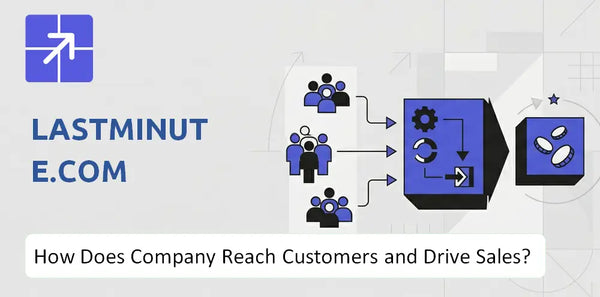
Focus ad spend on high-intent search and retargeting, and expand proprietary package personalization to lift conversion rates; see the lastminute.com BCG Matrix Analysis for product positioning implications.
Who Does lastminute.com Want to Sell To?
lastminute.com wants to sell to value-conscious European leisure travelers, mainly digital-native short-break and sun-and-beach bookers in the UK, Italy, France, Spain, and Germany, plus a growing cohort in premium leisure willing to pay for curated, higher-margin packages.
 Core leisure value travellers
lastminute.com targets digital-native consumers who prioritize convenience and bundled savings; these customers book short-haul city breaks or Mediterranean holidays and drive ~70% of OTA transactions across core markets.
Localized multi-brand segments
Market segmentation uses Rumbo for Spain, Volagratis for Italy, and weg.de for Germany to tailor offers and marketing; localized brands increase conversion by focusing on language, payments, and partnerships.
Market positioning: value plus convenience
lastminute.com positions itself as a dynamic-packaging OTA combining flights, hotels, and extras with targeted promotions and dynamic pricing to capture last-minute demand and maximize basket value.
Why this positioning works
The blend of localized brands, mobile-first UX, and data-driven personalization lifts conversion rates; email and retargeting plus app user acquisition and paid search amplify ROI while premium-leisure upsells raise average order value.
Key facts: in 2025 lastminute.com reported travel gross bookings split concentrated in five core markets, with mobile bookings comprising ~55%, and a strategic push in 2025 – H1 2026 toward premium-leisure where margins rose by ~4 percentage points in pilot markets; see Growth Outlook of lastminute.com Company for deeper analysis.
lastminute.com SWOT Analysis
- Complete SWOT Breakdown
- Fully Customizable
- Editable in Excel & Word
- Professional Formatting
- Investor-Ready Format

How Does lastminute.com Get in Front of Customers?
lastminute.com gets in front of customers via a multi-channel funnel: its metasearch Jetcost, heavy performance marketing on Google and social, and an app-first push that now drives much of bookings and retention.

Jetcost: Owned Metasearch as a Low-Cost Acquisition Engine
Jetcost captures price-sensitive, high-intent travel shoppers and feeds traffic to lastminute.com brands at lower customer acquisition cost than open paid search. By 2025 Jetcost accounted for a meaningful share of organic metasearch referrals, reducing paid search spend per booking.
Performance Marketing: Paid Search and Social
lastminute.com invests heavily in Google Search and social ads to capture high-intent queries and retarget visitors; paid search remains a core element of the lastminute.com marketing strategy, especially for last-minute and time-sensitive inventory.
App-First Distribution: Direct, Owned Channel
By March 2026 the mobile app accounts for over 48 percent of total bookings, lowering reliance on third-party channels and improving lifetime value through push, in-app offers, and personalization.
Partnerships and Marketplace Distribution
lastminute.com leverages partnerships with airlines, hotels, and affiliates to expand supply and distribution; affiliate marketing and partner commission models deliver incremental bookings and extend reach into niche markets.
Demand Generation: Promotions, Retargeting, and Email
Flash sales, dynamic pricing, targeted email campaigns, and retargeting campaigns drive urgency and conversion; data-driven segmentation increases open rates and conversion – email remains a high-ROI channel for repeat purchases.
Customer Acquisition Efficiency: Shifting Mix to Lower CAC
Moving bookings to the app and using Jetcost improved acquisition efficiency; by 2025 the mix shift cut reliance on expensive third-party search and improved repeat-booking rates, raising average booking value via in-app upsells.
Reach Advantage: Owned Channels and Data
The biggest advantage is direct ownership of channels – Jetcost plus the app – combined with first-party data to personalize offers, execute dynamic pricing, and scale across markets; see related analysis on Ownership and Control of lastminute.com Company.
lastminute.com Business Model Canvas
- One-time Payment
- No Research Needed – Save Hours of Work
- Built by Experts, Trusted by Consultants
- Instant Download, Ready to Use
- 100% Editable, Fully Customizable

How Does lastminute.com Turn Attention Into Sales?
lastminute.com turns attention into sales by bundling flights and hotels via a Dynamic Package engine and using AI personalization to push high-margin ancillaries and loyalty incentives, converting browsing into bookings with real-time pricing and relevance.
Core Sales Model: Dynamic Bundling and Direct Online Transactions
lastminute.com sells primarily through its direct online travel agency platform and mobile app, combining self-serve bookings with partner-led supplier integration for flights, hotels, and ancillaries.
Pricing and Monetization Logic: Real-Time Package Margins and Ancillary Attach Rates
The Dynamic Package engine prices flight+hotel in real time, creating bundled margins that are 15 – 20 percent higher than standalone flight sales while ancillaries and commissions (insurance, car hire, transfers) add incremental revenue and variable take rates.
Conversion and Purchase Drivers: Personalization, Real-Time Availability, and UX
AI-driven personalization uses real-time browsing signals to surface tailored bundles and upsells, increasing ancillary attachment and booking conversion; dynamic pricing and instant inventory matching reduce drop-offs at checkout.
Repeat Revenue and Customer Expansion: Loyalty and Lowered Acquisition Costs
The 2025 loyalty program expansion raised repeat purchase rates so returning customers now account for approximately 42 percent of annual Gross Travel Value, lowering blended customer acquisition cost and improving lifetime value.
Mechanics and metrics: the Dynamic Package engine merges disparate flight and hotel inventories for instant offers; bundles yield 15 – 20 percent higher margins vs. standalone flights; AI personalization drives higher ancillary attachment rates; loyalty accounts for 42 percent of Gross Travel Value in 2025, reducing blended CAC and improving repeat booking velocity. See customer segments and market fit in Target Customers and Market of lastminute.com Company.
lastminute.com Marketing Mix
- Complete Marketing Mix Analysis
- Effortlessly Communicate Your Business Strategy
- Investor-Ready Format
- 100% Editable and Customizable
- Clear and Structured Layout

How Strong Does lastminute.com's Commercial Engine Look Going Forward?
The commercial engine looks solid entering 2025/2026, powered by a lean cost base and a high-margin product mix; projected 2025 revenue of approximately €410 million and Adjusted EBITDA margin near 17% underpin a positive sales outlook. Key supports include AI-driven efficiency, strong holiday-package traction, and channel reach; risks include regulatory changes in airline distribution and aggressive pricing from global incumbents.
What Supports Future Demand
Brand recognition and product-market fit in holiday packages support sustained demand; lastminute.com marketing strategy focuses on high-margin package sales and dynamic pricing to increase bookings. Loyalty and personalization efforts, plus a growing mobile user base, bolster repeat purchase rates and average order value.
Channel and Marketing Effectiveness
Paid search and paid social drive top-of-funnel traffic while SEO and email campaigns improve conversion optimization; lastminute.com customer acquisition mixes organic search, retargeting campaigns and app user acquisition strategies to keep CAC competitive. AI-enabled personalization raises upsell attach rates in the conversion funnel for holiday and weekend bookings.
Risks to Commercial Performance
Regulatory shifts in European airline distribution could reduce merchandising freedom and margin; global incumbents may escalate aggressive pricing and marketing spend, pressuring yield. Macroeconomic dips in travel demand and rising acquisition costs could blunt growth despite strong conversion optimization.
The Overall Sales and Marketing Outlook
The outlook is positive and adaptable: with projected €410m 2025 revenue and 17% Adjusted EBITDA margin, lastminute.com can outpace mid-tier European competitors in the high-margin holiday-package segment. Continued AI deployment cut personnel costs by 150 basis points of revenue last year, improving margin resilience and funding targeted digital marketing for OTAs and travel demand generation strategies.
How lastminute.com Company Works and Makes Money
lastminute.com Boston Consulting Group Matrix
- Built by Experts, Trusted by Consultants
- Structured for Consultants, Students, and Founders
- 100% Editable in Microsoft Word & Excel
- Instant Digital Download – Use Immediately
- Compatible with Mac & PC – Fully Unlocked

Related Blogs
- What Is the History of lastminute.com Company and How Did It Evolve?
- What Is the Competitive Landscape of lastminute.com Company and How Does It Compete?
- What Is the Growth Outlook of lastminute.com Company and Where Is It Heading?
- How Does lastminute.com Company Work and What Drives Its Business Model?
- What Do the Mission, Vision, and Core Values of lastminute.com Company Reveal?
- Who Are the Core Customers in lastminute.com Company's Target Market?
- Who Owns lastminute.com Company Today and Who Holds Control?
Frequently Asked Questions
lastminute.com mainly targets value-conscious European leisure travelers. The blog says its core audience is digital-native short-break and sun-and-beach bookers in the UK, Italy, France, Spain, and Germany, with a growing premium leisure segment that is willing to pay for curated packages and higher-margin offers.
Disclaimer
All information, articles, and product details provided on this website are for general informational and educational purposes only. We do not claim any ownership over, nor do we intend to infringe upon, any trademarks, copyrights, logos, brand names, or other intellectual property mentioned or depicted on this site. Such intellectual property remains the property of its respective owners, and any references here are made solely for identification or informational purposes, without implying any affiliation, endorsement, or partnership.
We make no representations or warranties, express or implied, regarding the accuracy, completeness, or suitability of any content or products presented. Nothing on this website should be construed as legal, tax, investment, financial, medical, or other professional advice. In addition, no part of this site - including articles or product references - constitutes a solicitation, recommendation, endorsement, advertisement, or offer to buy or sell any securities, franchises, or other financial instruments, particularly in jurisdictions where such activity would be unlawful.
All content is of a general nature and may not address the specific circumstances of any individual or entity. It is not a substitute for professional advice or services. Any actions you take based on the information provided here are strictly at your own risk. You accept full responsibility for any decisions or outcomes arising from your use of this website and agree to release us from any liability in connection with your use of, or reliance upon, the content or products found herein.